Best Bones for Bone Broth (Chicken&Beef): How to Get a Rich, Gelatinous Broth

If you’re wondering what the best bones for bone broth are, you’re at the right place. The types of bones you choose impact the flavor and the amount of gelatin the broth will have. In this post I’ll walk you through the best chicken and beef bones to use, whether you are brand new to making bone broth or you’re looking for ways to improve your broth.

Note: This post may contain affiliate links. Please see our disclosure policy.
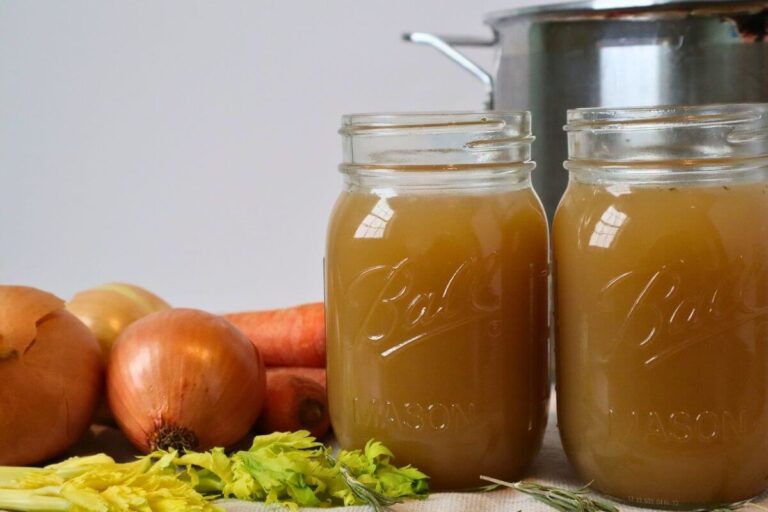
Bone broth is really quite simple, so I don’t want to complicate something that doesn’t need to be. All you really need are bones, water, time, and something to hold those things—a stockpot, electric roaster, etc…and heat. I share all about how I make beef bone broth on the stovetop and in an electric roaster if you need step-by-step instructions on making bone broth.
However, there are other factors that help enhance the flavor and nutrition that are worth considering and that is one of the topics I want to talk about today—the best types of bones!
When you are brand-new to learning how to make bone broth, one of the first things to figure out is what bones to use and where to find them. It can be a real challenge depending on where you live, and there may be some new names of bones you might not be familiar with. I hope to bring some clarity on what all the bone names mean, where you can try to source them, and what the best bones for bone broth are.

Table of Contents

What Are the Best Bones for Bone Broth?
The best bones for bone broth are bones that are rich in collagen—knuckle/joint bones, beef neck, oxtail, chicken backs, wings, and feet. It is best to use these types of bones to help create a broth rich in gelatin. For the best all-around flavor though, you should use a variety of the bone types that I listed and also include some meaty or marrow bones as well.

Why the Type of Bones Matters for Bone Broth
Collagen and Gelatin Explained
When most people think of bone broth, they think of the signature jiggly texture that bone broth is famous for. But where does that gel come from? Bone broth gels when enough collagen is extracted from bones and connective tissues that break down into gelatin during the long cooking process. Using bones that are higher in collagen such as joint bones will help your broth with gel formation.
Therefore, gel formation primarily depends on the release of collagen, because collagen (in the bones) converts to➡️ gelatin (in the broth).
For the best gel formation, using the right bones along with a few other factors are key, especially if you’ve ever struggled with broth that didn’t gel. Why didn’t my bone broth gel is a common question for many people. Here are the 4 most common reasons this happens. #add
Flavor vs Nutrition: Finding the Right Balance
While selecting bones with high collagen are important to achieve high amounts of gelatin—don’t shy away from using some meaty/marrow bones as well, which have great flavor. It’s important to use a variety of bone types and you’ll want to include some meaty or marrow bones in the mix along with the joint bones for the best flavor.


Best Beef Bones for Bone Broth
•Knuckle bones/Joint bones-high in collagen for a thick, gelled broth
•Marrow bones-rich in flavor and nutrients
•Oxtail-excellent for gelatin
•Short ribs-meaty, flavorful, and rich in collagen
•Neck bones-rich in collagen


Best Chicken Bones for Bone Broth
•Wings-lots of cartilage and connective tissue, great for gelatin
•Necks-adds great flavor and gelatin
•Backs-good for flavor, gelatin, and their economical
•Chicken feet-rich in collagen and often sought after for a gelatinous broth
•Whole carcasses-great for flavor and gelatin

Tips for Choosing and Sourcing Quality Bones
Making a great and nutritious bone broth starts with selecting high quality ingredients. It is best to use bones from grass-fed, pasture raised animals’ verses conventionally grown animals. The healthier the animal, the more nutritious your broth should be.
For sourcing bones, the best and most affordable way to get a lot of beef bones is to buy a share of beef from a local farmer. Another great option is to check with a local butcher or ask meat venders at your local farmer’s market. Ask around on local Facebook groups as well, you might be surprised to find people in your community that raise small flocks of pastured chickens and take orders. That way you can get healthy meat and bones!
There are many great family-owned regenerative farms that you can purchase from online. I’d recommend searching Google for pastured beef or chicken near your zip code, or even in your state, to try to find something close to home. If you live on the east coast of the USA, a great online source is Watson Farms. We have personally toured their farm and learned about their regenerative practices.

Extra Tips for Flavorful Gelatinous Broth
Roast Bones for Deeper Flavor
Roasting the bones in the oven gives the broth a rich flavor. As bones roast, natural sugars and proteins break down and caramelize—a process known as the Maillard reaction—which creates a savory taste. To learn more about roasting bones check out how to make bone broth using the roaster method.
Simmer Time Matters
While selecting collagen-rich bones is an important part of helping to increase the gelatin in the broth, there are other factors as well that contribute to getting the most gelatin possible. Simmer time is one of those factors. Beef bones need a longer amount of time to better extract the collagen. Chicken bones don’t need quite as long as beef bones but still require a long simmer time.
For Beef Bones simmer 12-48 hours (preferably at least 24)
For Chicken bones simmer 12-24 hours
For more details and tips check out how I make Beef Bone Broth in an electric roaster and How I make Beef Bone Broth using the stovetop method.
If for some reason your bone broth still doesn’t gel, I’m so sorry! That can be really frustrating! Try checking out my guide Why Didn’t My Bone Broth Gel that covers common mistakes and fixes. #####

Frequently Asked Questions About the Best Bones for Bone Broth
Why didn’t my bone broth gel?
If your broth didn’t gel, then it likely comes down to a few reasons. Not enough collagen-rich bones, too much water, or not cooking long enough. Read more about this here: Why didn’t my bone broth gel?#
What bones have the most collagen?
Joint bones have the most collagen, along with chicken feet.
Can I mix different types of bones?
Yes! Mixing marrow bones with joint bones is a great idea that gives both great flavor and gelatin. You can also mix chicken bones with beef bones as well!
What are the cheapest bones for bone broth?
This can depend on so many factors including where you live, but typically chicken backs, necks, and leftover carcasses (can’t beat getting meat and bones from a whole bird) are the most affordable. For beef bones buying a share of beef from a local farmer and asking the butcher for the bones is usually the cheapest option but buying knuckle bones and soup bones from a local butcher should also be very budget friendly.
Local will be the best way to go, as online prices can be pretty steep, but if that’s all you have access to, that’s ok too!
Do I need to roast the bones before making broth?
Not necessarily, but roasting does really enhance the flavor of the finished product, so I personally take the time to do this extra step. I highly recommend it!
I hope I was able to help bring some clarity to selecting the best bones for your bone broth! By using a mixture of joint and meaty bones from quality sources you will be well on your way to creating a gelatinous, nutritious, yummy bone broth. Let me know in the comments what your favorite bones are for bone broth!